
So I asked the lady at the liquoria…
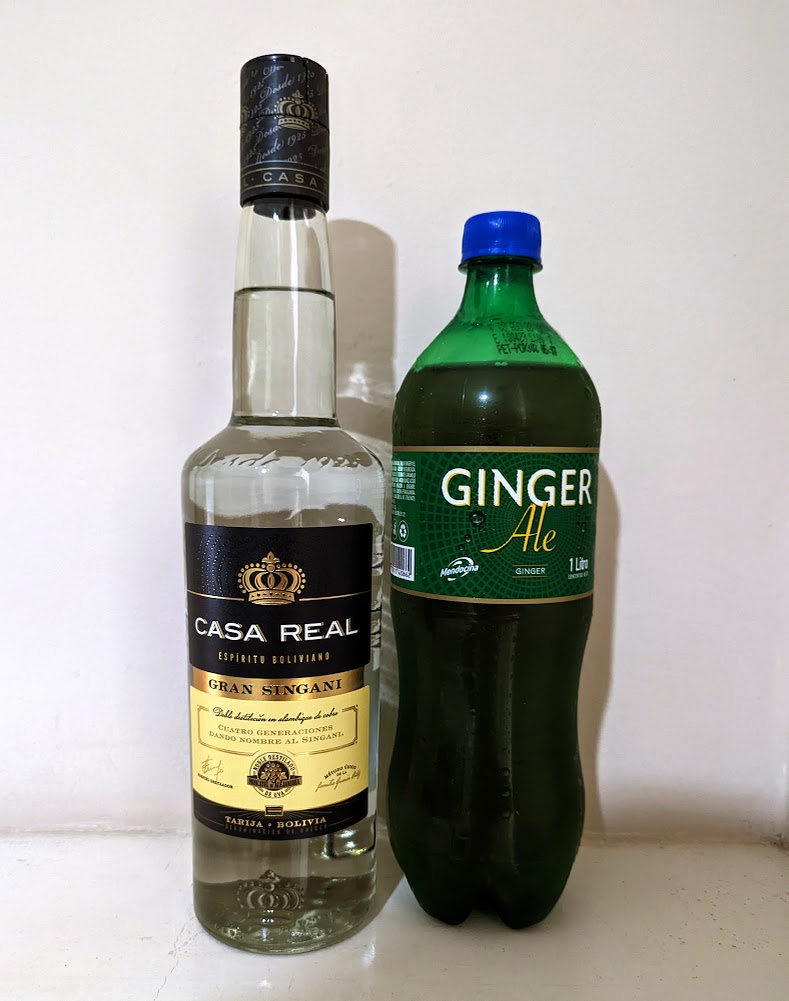
… what people in Bolivia drink, she led me to this bottle.
Singani is the popular local spirit, a lightly aged brandy made from two different Bolivian types of muscat grape. I picked up the bottle she recommended and the bottle of ginger ale she added to my basket and headed home to drink alone.
The label on the singani was nice enough to include the recipe for “chufly”, basically two fingers of singani and fill with ginger ale. I mixed up a chufly and gave it a whirl. It’s… uh… interesting. The funky muscat notes in the brandy plus the ginger spice in the pop are…. a thing?
Yeah, I sipped the singani neat after that one chufly.
The Coffee Men of Centro

In the main square here in Santa Cruz you will invariably find half a dozen coffee men. They’re here all the time, they’re in the square before me on the earliest morning I happened by and they were still selling coffee in the square after I went home on my latest night out.
For 5Bs (about $1 Canadian) you get a cup of very sweet, very creamy coffee, it’s heavenly. The men push their carts around the square, people seem to drink the coffee almost constantly. Workers in the buildings around the square yell coffee orders down from the balconies and the coffee men run the drinks upstairs. I quickly fell into a pattern of seeking out the coffee men first thing each morning before even considering what to do with the day, I love it.

Dancing in BoLo
Santa Cruz de la Sierra, Bolivia
Maybe it’s just luck or randomness or maybe it’s a result of my getting more and more comfortable travelling but it seems to me each country I visit is more open and more friendly towards me than all the ones I visited before on this trip.
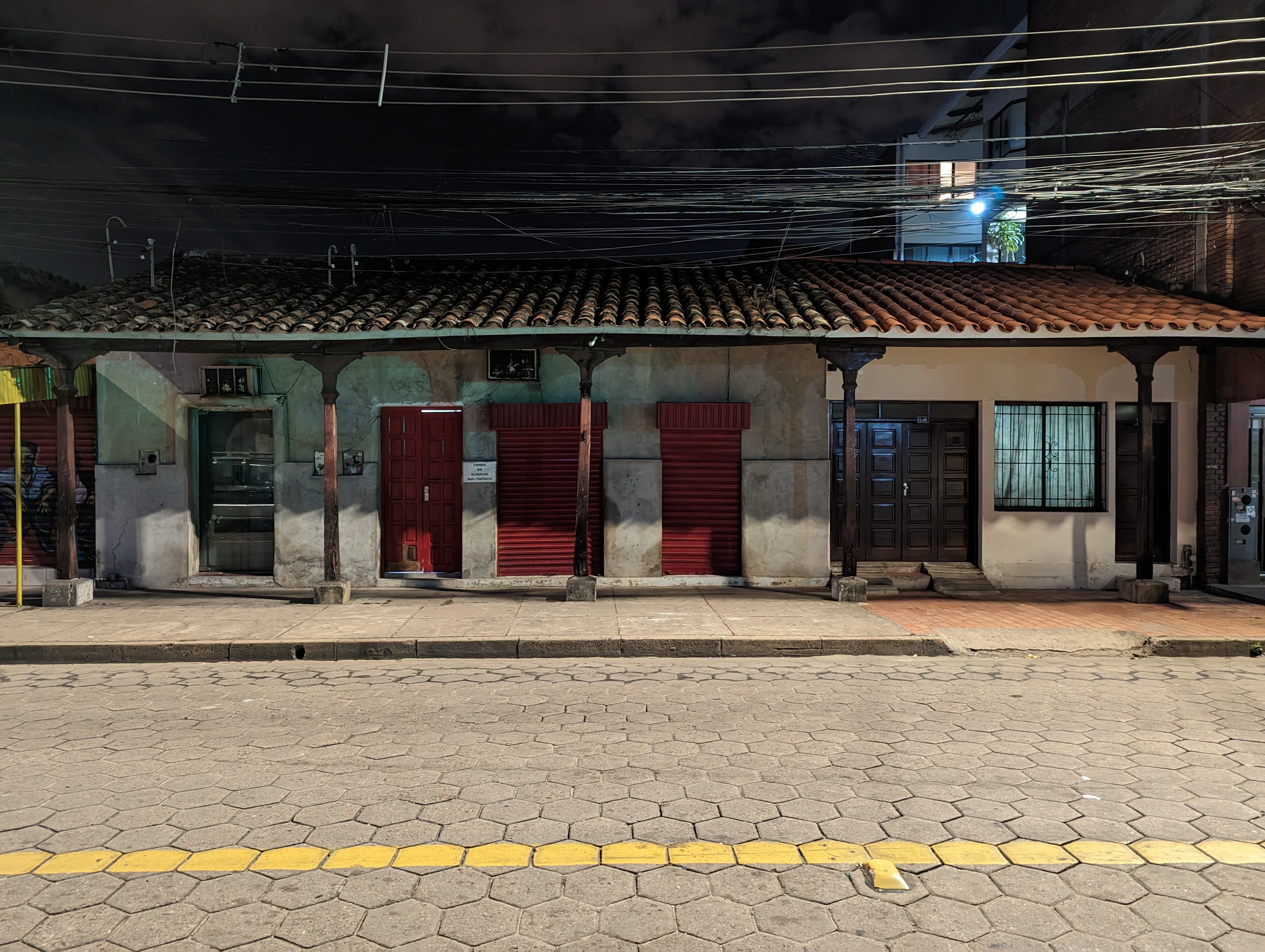
On my second day in Bolivia I took a bus out of the city a ways to see if I could spot the sloths that live high in the rainforest around Santa Cruz, I never spotted any sloths but I hitched a ride back to town with a local guy who, despite us not sharing a common language, INSISTED we were going to communicate.
With some help from Google Translate we spent 45 minutes getting to know each other. He told me there have been 200 coup attempts in Bolivia over the years and he doesn’t ever remember a proper government but he is proud of many things here. He promised me Bolivians would be the most friendly people I would meet. He brought up the financial situation in Argentina and expressed his hopes that the people there will be ok.

To hear a man from Bolivia, the poorest country in South America, express such heartfelt concern for the situation for Argentinians, who have a much, much larger economy and on average 4x the personal purchasing power, was extremely touching. When I hopped out he held my hand and wished me the best and told me I would be safe here, even at night.

I have had similar experiences with multiple other people I have met so far in Santa Cruz, friendly locals talking to me in the central square, two super friendly guys at the coffee place I’ve been going to. I’m loving being here, seriously. The city is warm and calm and easy and has very few tourists and I’ve pretty much done nothing here, just wander around, popping in and out of local markets, confusing the ladies at the market food stalls with my Spanish, it’s just great. I get laughed at a lot which has always been a sign of being in a good place.

The town of Santa Cruz de la Sierra has been here for over 500 years ago but until recently Santa Cruz was a provincial town in central Bolivia, far from more well known cities in the Andes like the more well known capital cities, Sucre and La Paz. About 25 years ago the incredibly rough roads around Santa Cruz were widened and paved and trips that used to take days of hard travel were now less than 10 hours on smooth roads. This simple change suddenly meant Santa Cruz was at a perfect location, just the right distance from everywhere to everywhere else. Within two decades the population quadrupled and now Santa Cruz is the largest metro area in Bolivia, about 2.5 million people.
I have no goals here, nothing to get down or to do or experience. I need to do laundry, change money, buy new socks, etc, it’s a full plate for me.
Rio
Disclaimer – As always these are just my impressions after a very short visit, I reserve the right to be consistently wrong.

I’m leaving Rio pretty baffled, it’s been easily the most alien city I’ve visited this trip, so very different from everywhere else, and mostly in ways I can’t put my finger on, frustratingly.

Mexico City, Oaxaca, Bogota, Asuncion, Montevideo, etc all share a common Spanish background and you can feel it, even if the Spanish influence mostly now feels quite distant and muted in these cities, they are still coming from the same place historically and culturally.
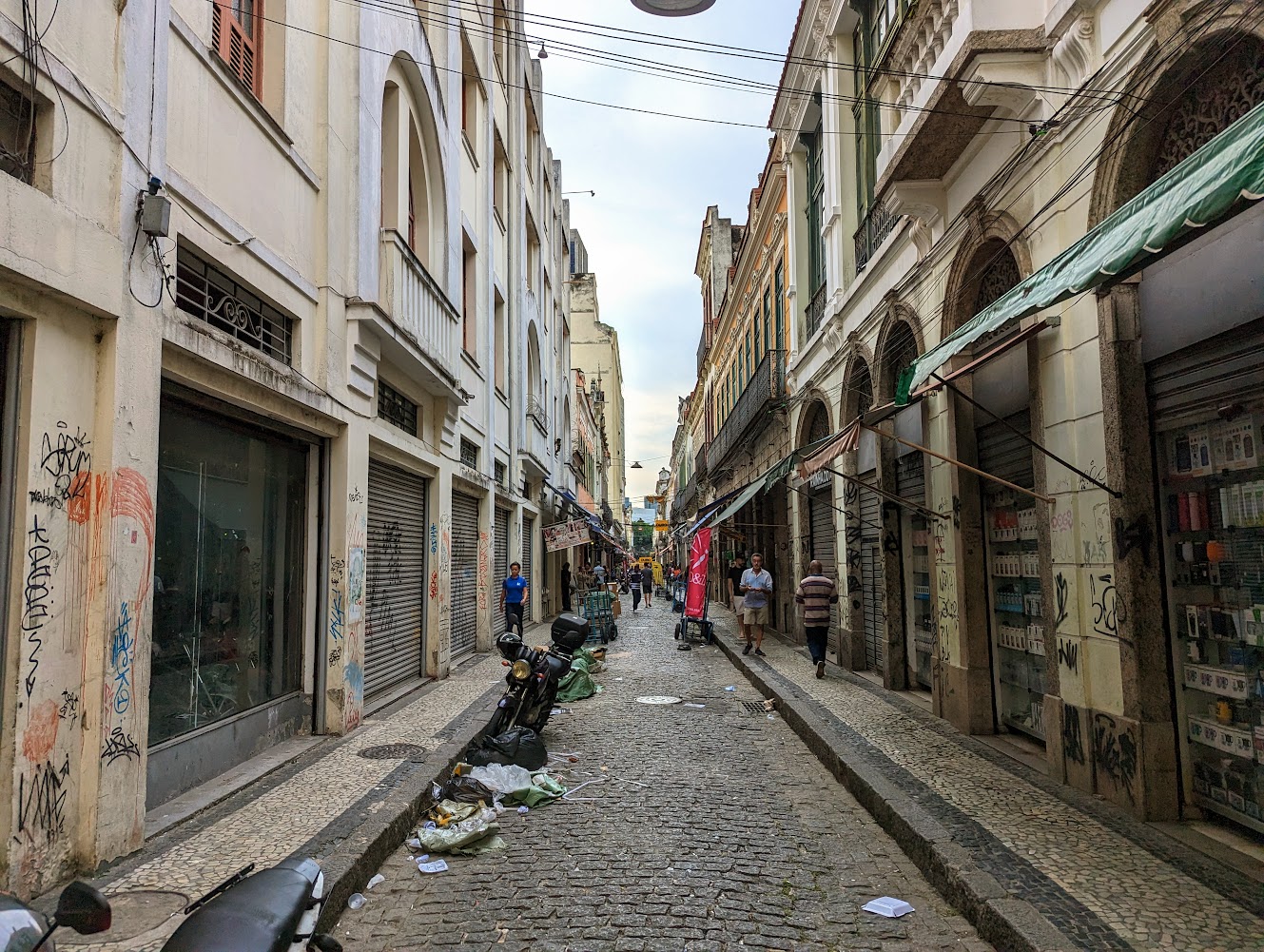
Not so with Rio (or I assume other places in Brazil), its Portuguese heritage meant it started off from a different place and unlike the other places I’ve been the cities in Brazil sort of developed in a vacuum, quickly losing touch with Portugal but also lacking any other similar places to grow along side of. It seems like Brazil is a cultural island, it’s its own thing just from having nowhere else like it.
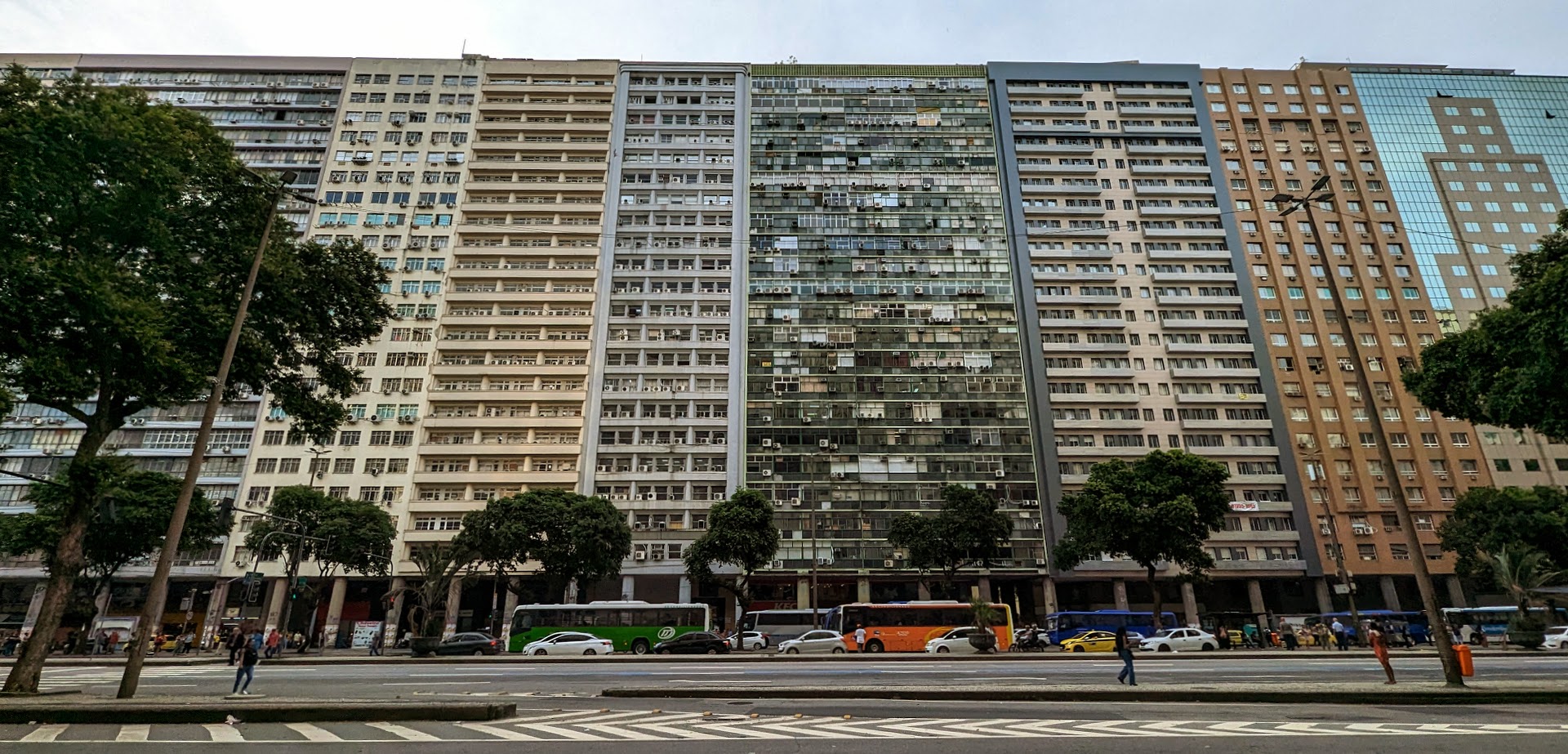
Rio and Buenos Aires are the largest South American cities I will likely see this trip. They are about the same size and same age. Rio is the second largest Portuguese speaking city in the world (after Sao Paulo) and Buenos Aires is the second largest Spanish speaking city in the world (after Mexico City). They are almost completely different though, Buenos Aires is so European, in its museums and wide avenues and culture around dining and wine and such things, Rio on the other hand is not… it’s not European, it’s Rioan? (I invented that word, it’s mine).

Where people in Buenos Aires are sipping wine and chatting late into the evening in endless bistros along epic avenues, people in Rio are sliding their way around mountains on confusing narrow streets and seemingly just laughing and dancing and partying. Multiple times I saw blocks get cordoned off and a party would just appear, until dawn, where you couldn’t fit one more person on that one block long temporary playground.

I have so little idea of Rio, it’s been a week and I really still feel like I just landed. The city is massive but hard to see, divided up into many pockets, tucked around the massive vertical towers of granite mountains that rise nearly straight up all around the coast. It’s almost impossible to get a view of most of the city at the same time, everywhere you look it’s a different view.
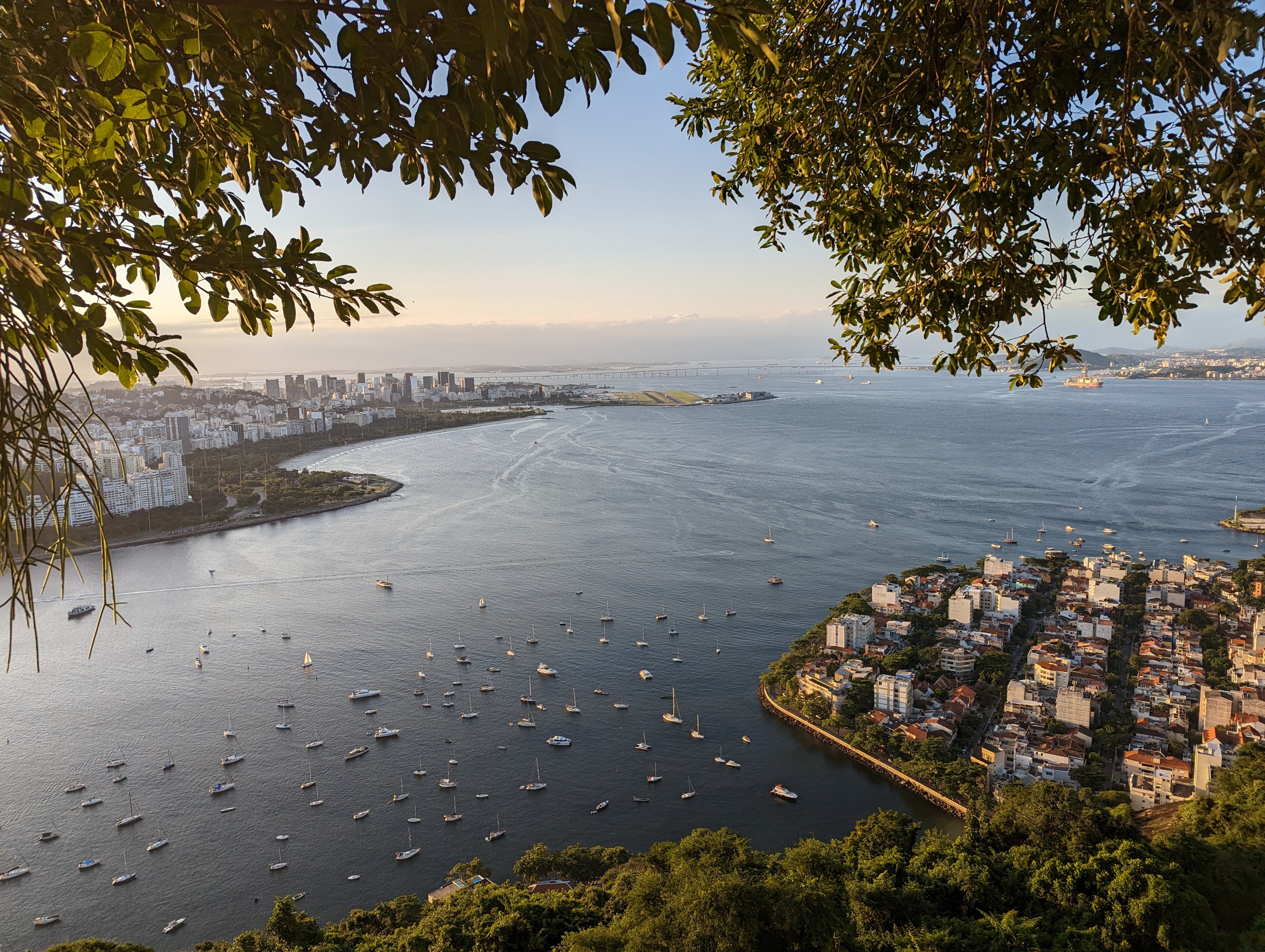
The city is objectively dangerous, currently having the same safety rating as Kabul, Afghanistan, but I guess not anywhere I visited? I was pretty cautious the first day or so but quickly adjusted and realized Rio feels about as safe or unsafe, generally, as any other South American large city.
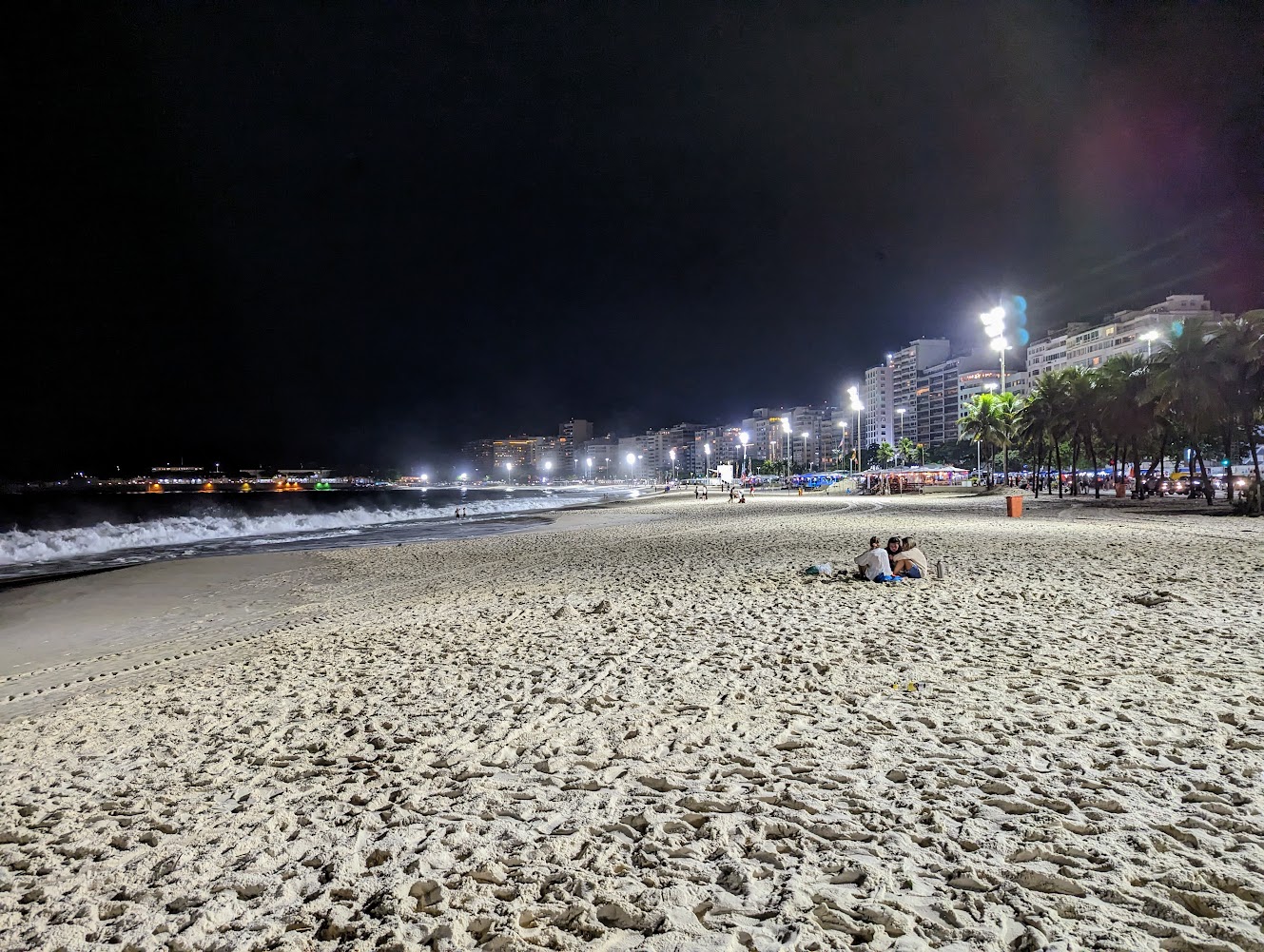
The people as well, much more different, as I experienced them, than people in the other countries on this trip, louder, laughier, showier. More…. American almost, but in good, fun ways.
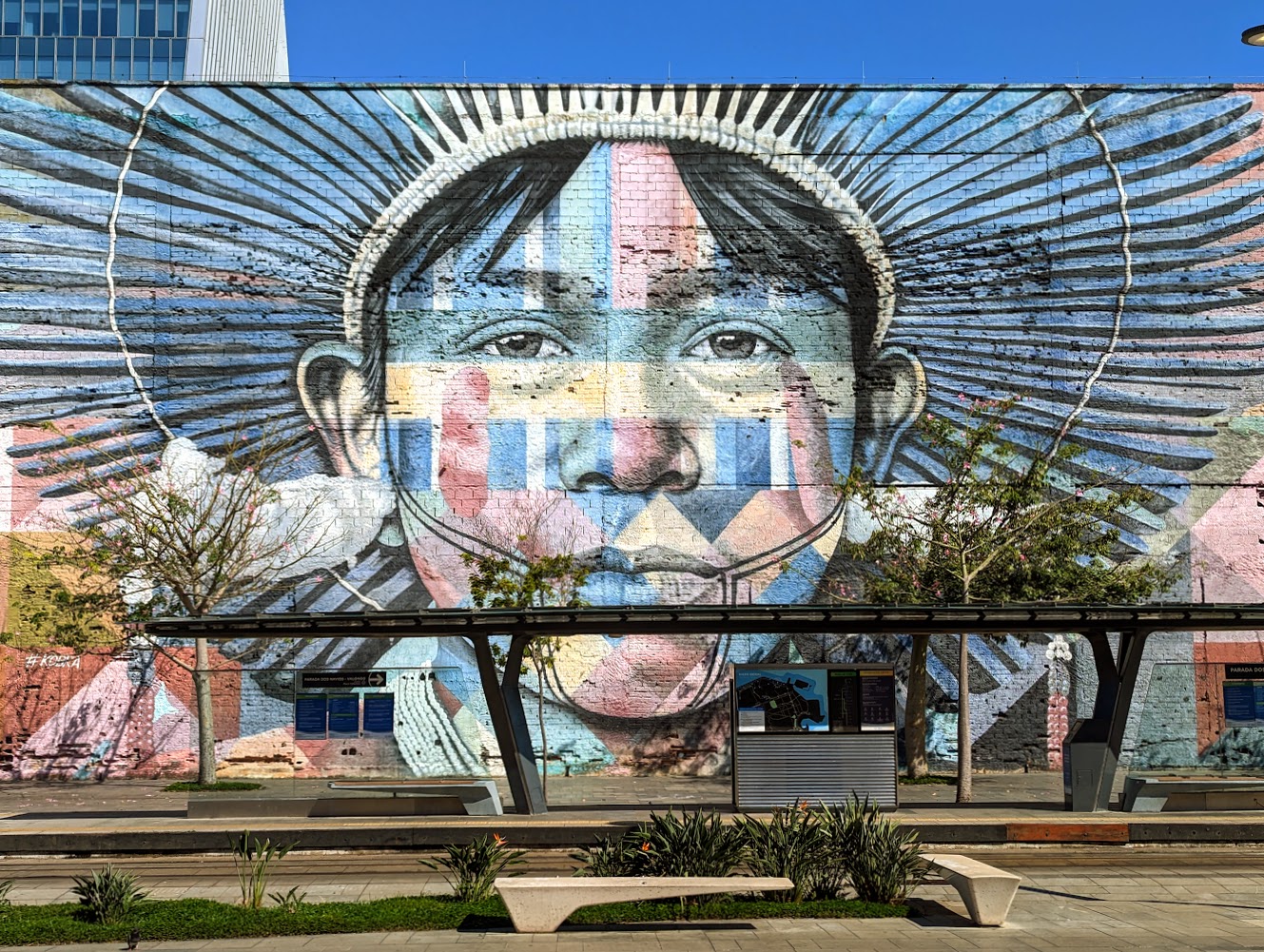
The city also has, from what I saw, about the lowest reverence or interest in history, arts, museums, etc, as compared to any mega city I’ve seen. There just aren’t really dozens of museums and galleries stuffed with artifacts. I saw a few exhibits and learned a few things but was mostly struck by how little there was of that sort of thing.

I’d like to go back someday, mostly I guess because I don’t really feel I’ve been there in the first place.
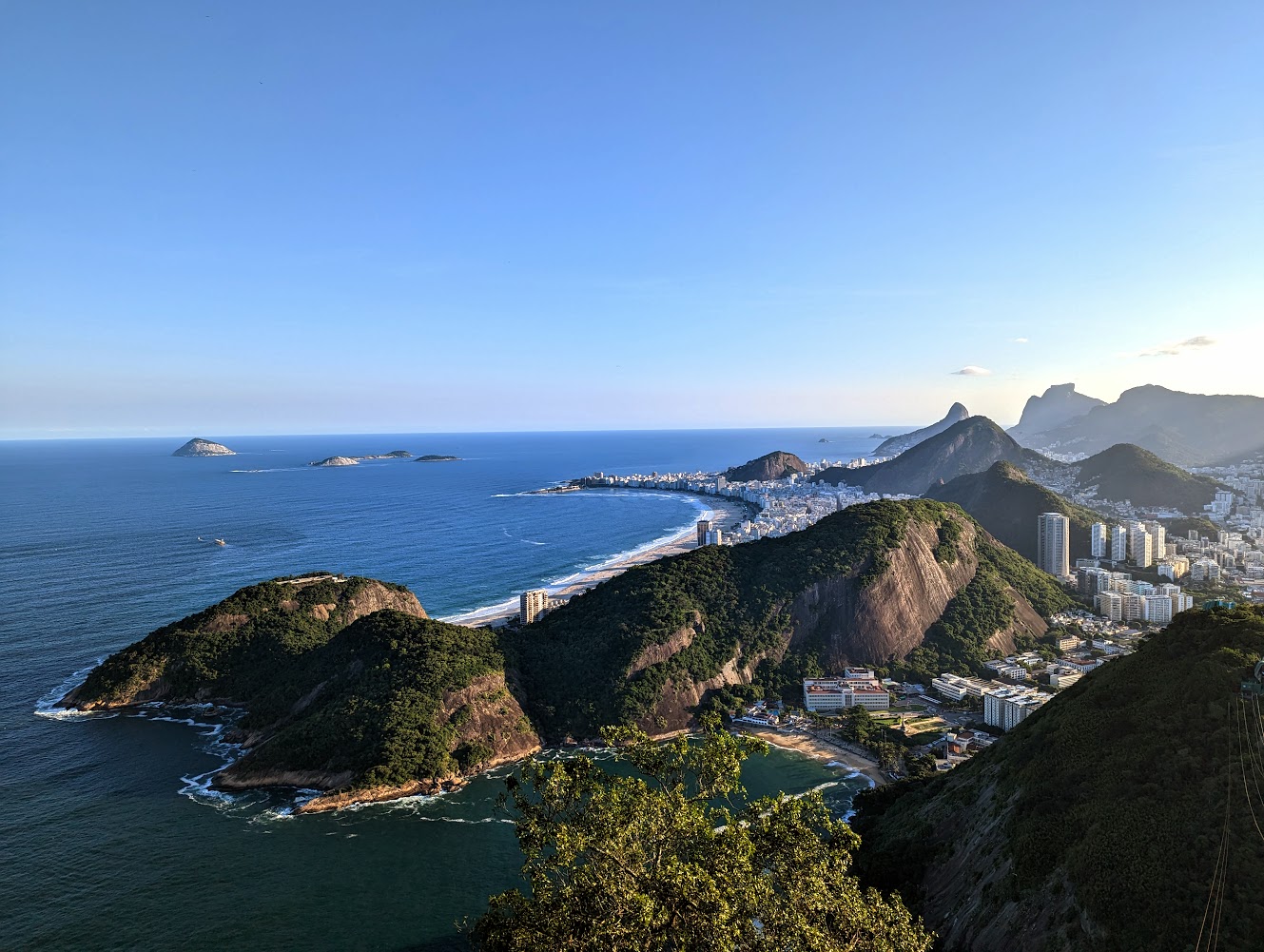
I loved Rio, as I do most places, I am just kinda out of novel ways to relate that. I’ve been trying to post something daily, mostly so I remember things down the road but it just isn’t going to happen.

I leave Rio with as little understanding of a city as any I’ve spent a week in, the city itself is really unique and between the rain and spending a few days on Piqueta Island I really do not have a grasp of what Rio is.
I may not understand Rio well but I saw some cool stuff. I saw a couple on a subway platform randomly start dancing a samba, eventually dancing their way onto their train once it pulled in, to smiles and applause from the rest of us. I’ve decided that will be my image of Rio until the time I learn more.
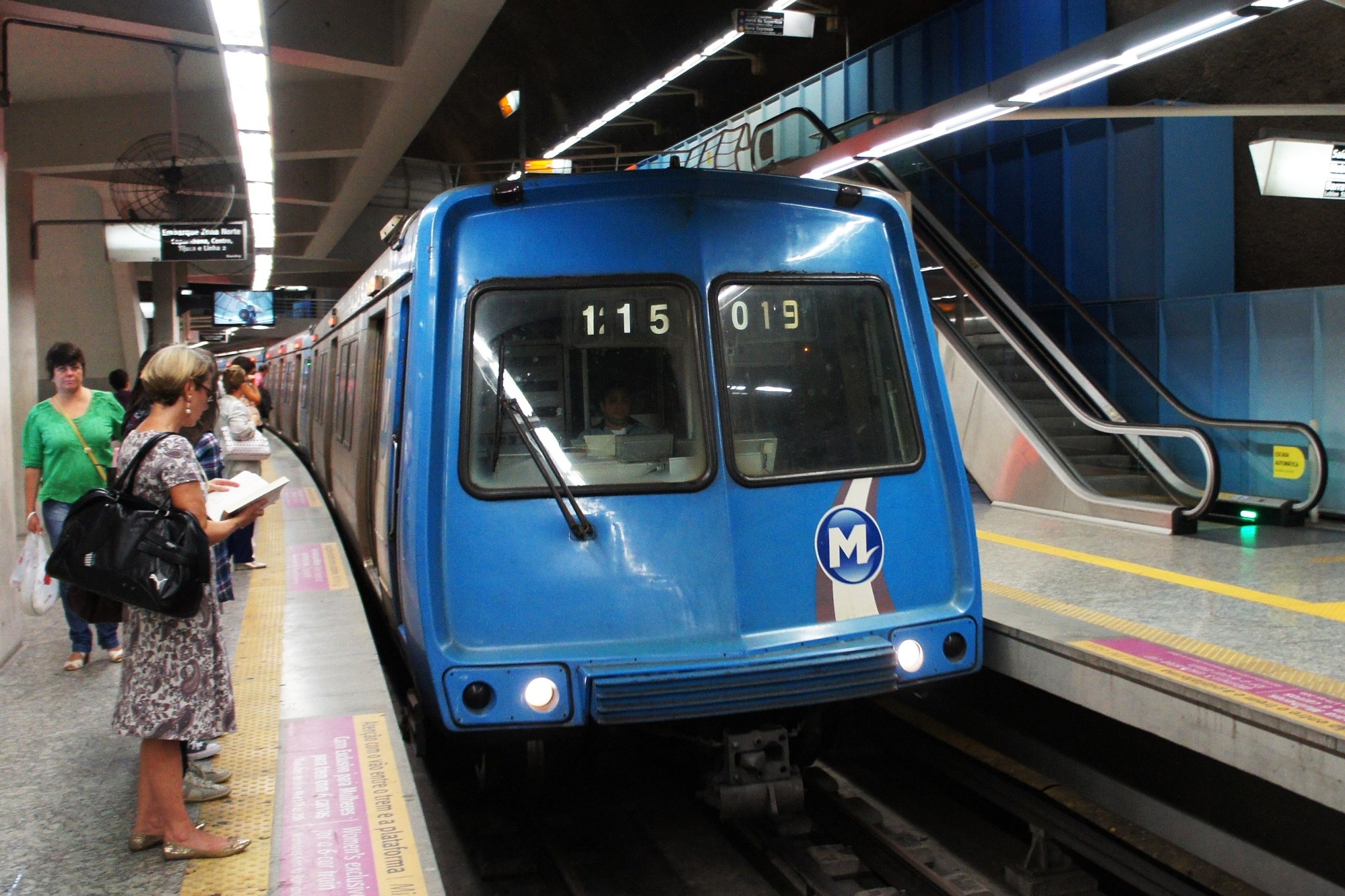
Rio Metro

Rio’s Metro system is like someone got halfway through the project and just kinda lost interest. The system is built for massive throughput, the stations are huge and the trains are full sized and at 6-8 cars, a single train can move almost 2,500 people.
But, like Buenos Aires, the system in Rio is a bit half-assed, ~50km of track and ~50 stations for a city of 12,000,000 people isn’t enough to make a huge impact on transit.
Rio’s transit system also has a set of tram lines running mostly around the downtown and waterfront. I probably spent more time on the trams than underground on the subway itself.
While riding the trams I began to notice an amusing and strange set of announcements. The English translations of announcements on the tram, and eventually I noticed on the metro too, feature a woman’s voice seemingly eternally mocking either the English speaking tourist, or the transit system or Rio itself.

Some announcements are normal but in a lot of them her voice drips with a kind of Willy Wonkaesque playful sarcasm…
- On the metro she occasionally sarcastically warns you to “mind the gap” when you get off, the same iconic announcement from the London Underground. The thing is, the London Underground features warnings about the gap between the train and the platform….. because there is a gap between the train and the platform. Rio’s teasing announcer lady’s recording warns you to mind the gap, where there is none, the train doors open flush with the platform.

- Her voice alerts you to other connecting transit stations as you arrive, but with the funniest message, she says either “depart here to connect to our VERRRY good tram” or “depart here to connect to our VERY EXCITING tram” in the exact tone of voice of someone mocking… something.
- Most transit systems that feature English announcements will fudge the pronunciation of place names somewhat so it’s what an English speaker would expect, rather than the exact local pronunciation. It sometimes sounds funny but makes sense for the purpose of the announcements. Not so in Rio, when her voice comes on, again just soaked in ironic detachment, and let’s you know the next station is “Coonda-Lion Station” it’s up to you to figure out she is referring to “Cinelandia Station” and is just using the hardcore Rio accented Portuguese pronunciation.
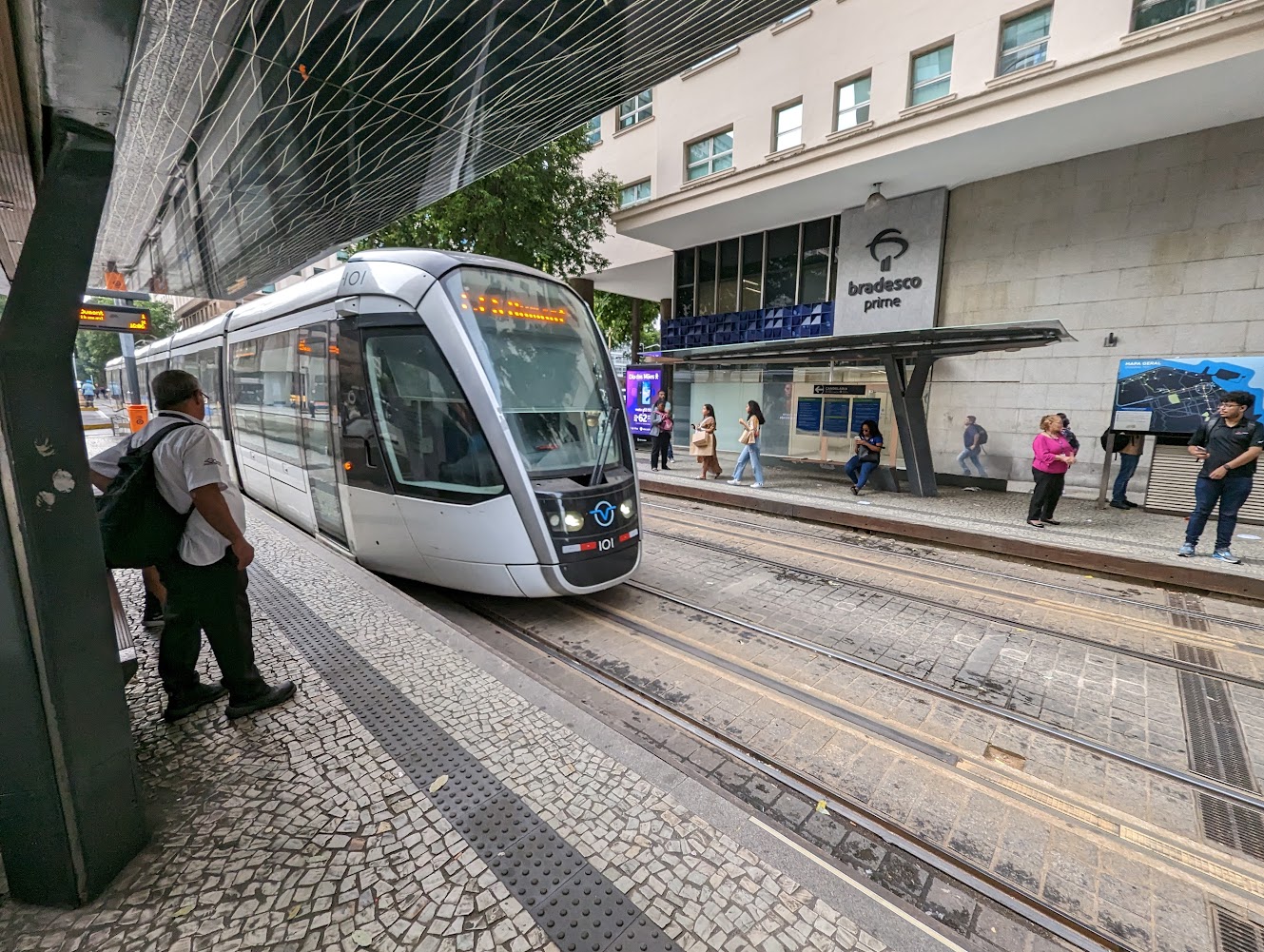
After a week in Rio I was completely in love with the English transit announcement robot lady voice, her eternal mocking was usually my first smile of the day each day I was there. At one point I cheered out loud for a particularly biting announcement, to the surprise of the riders around me.

Paqueta Island
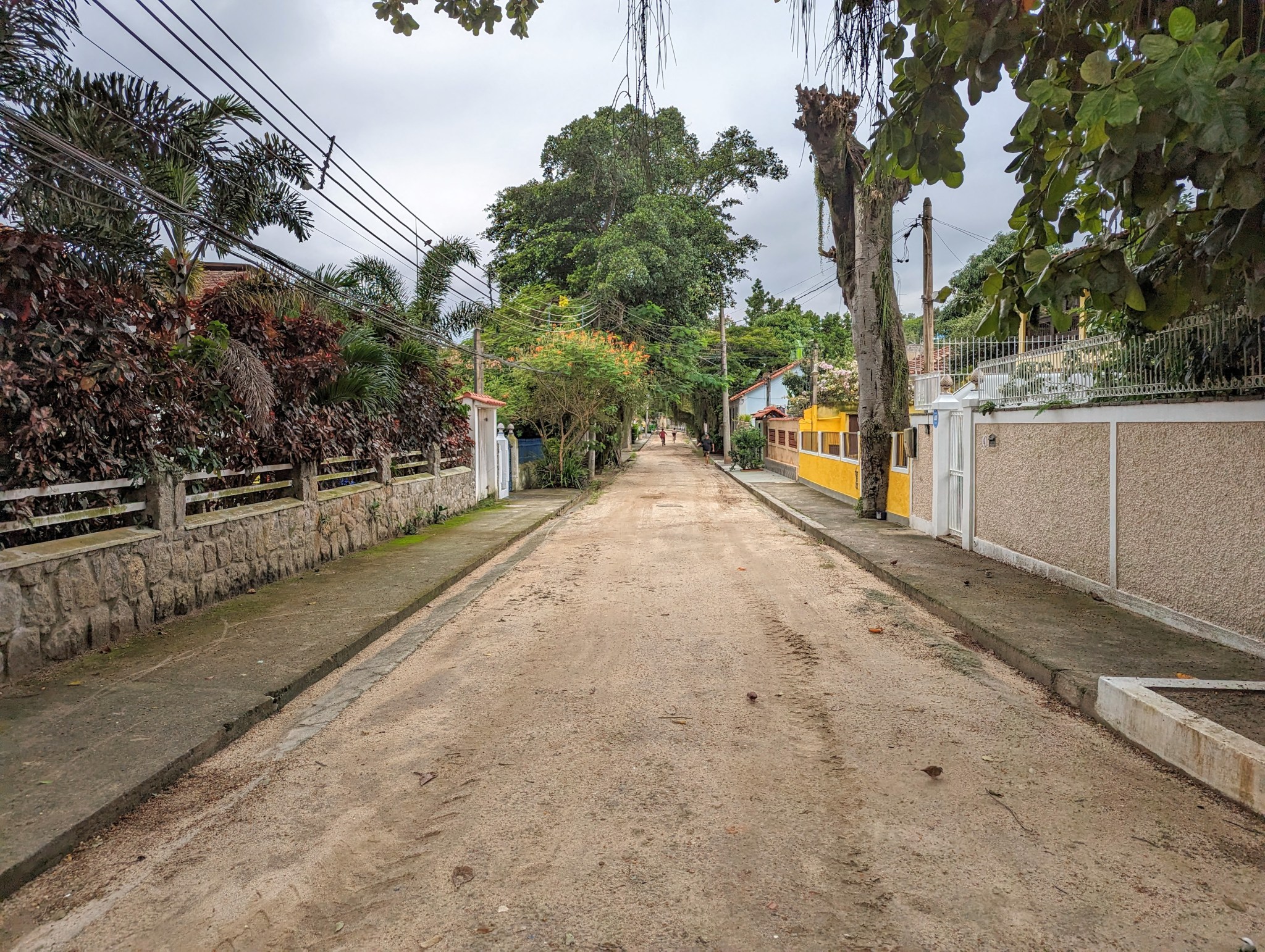
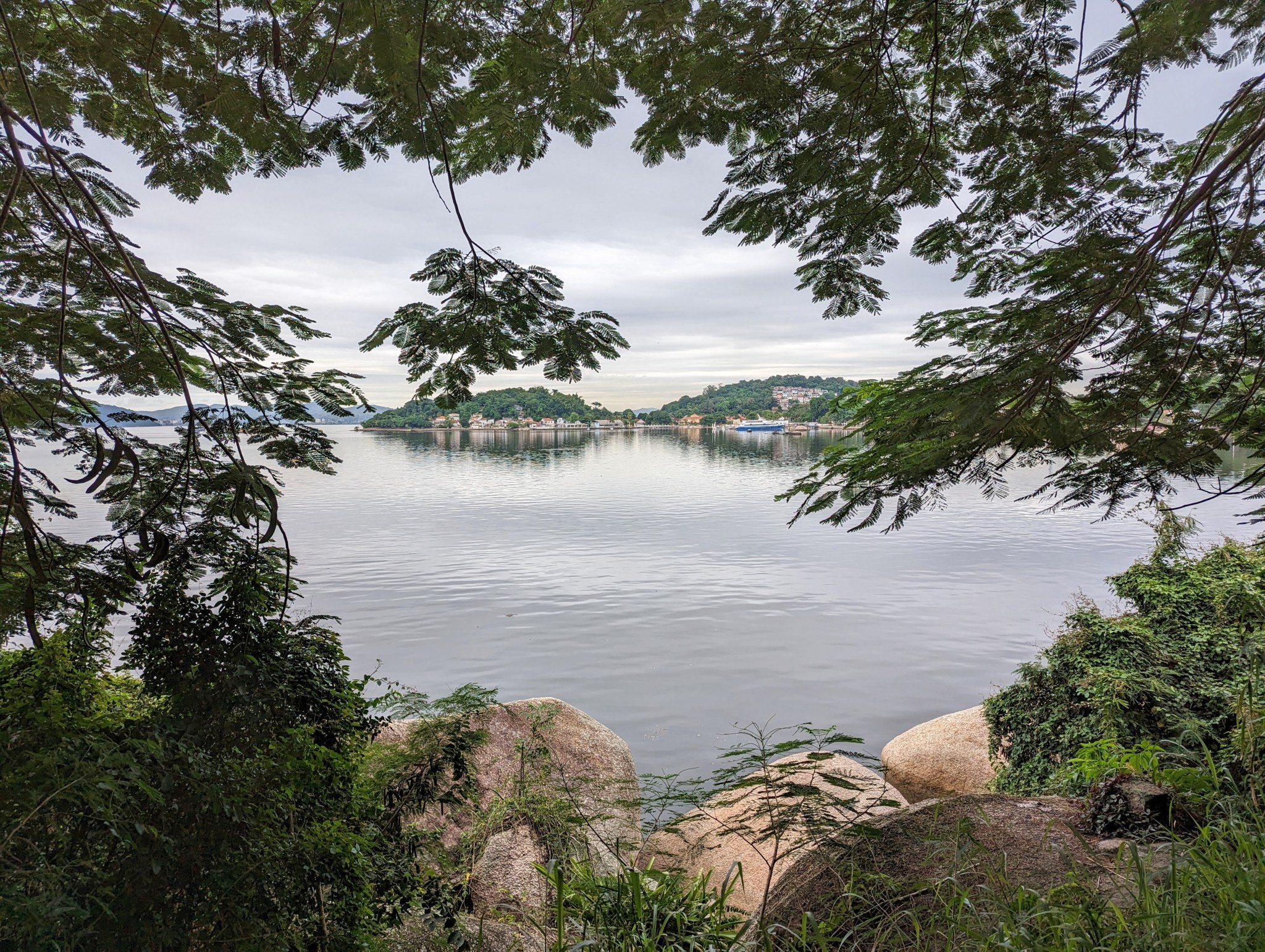
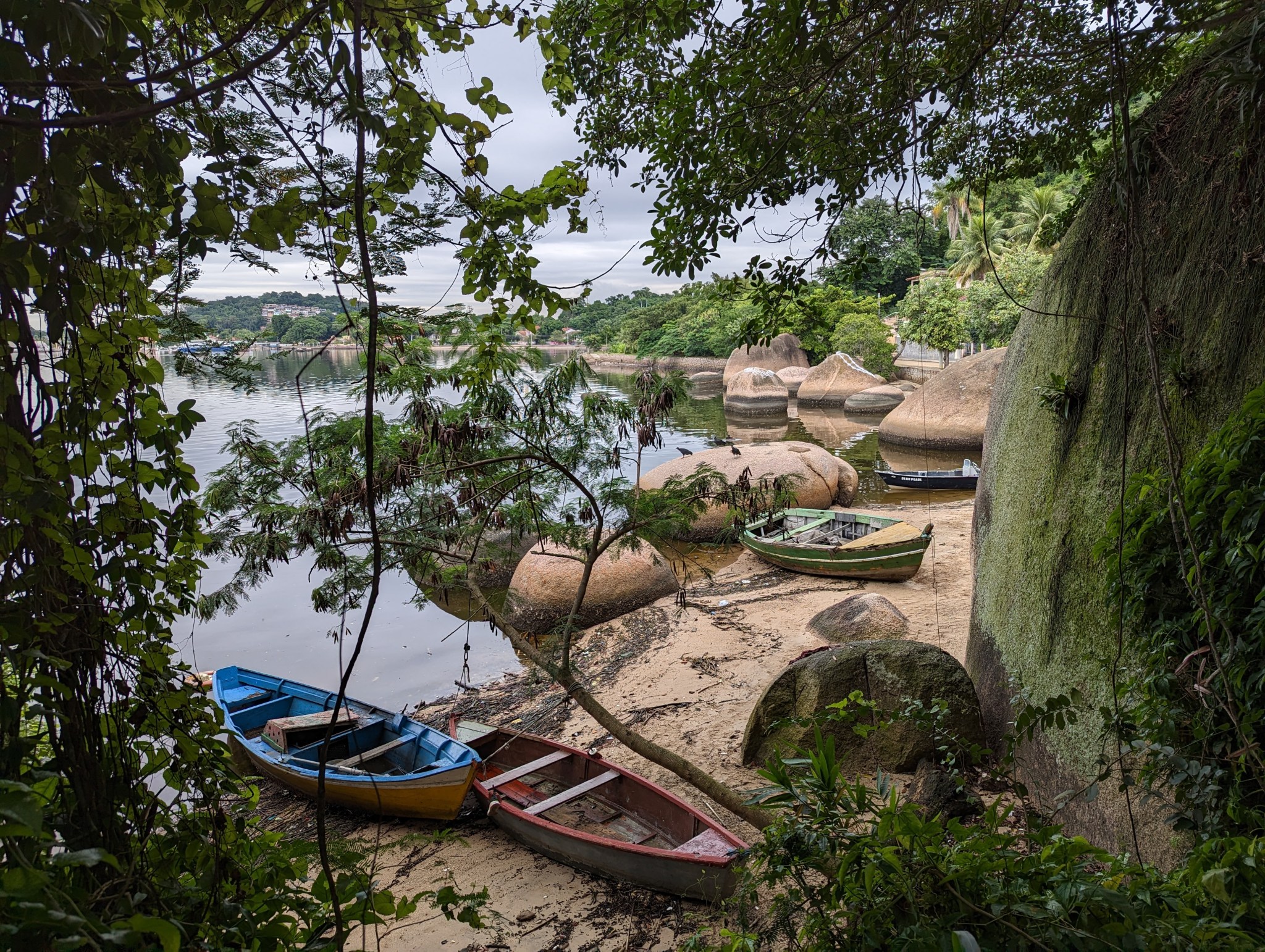
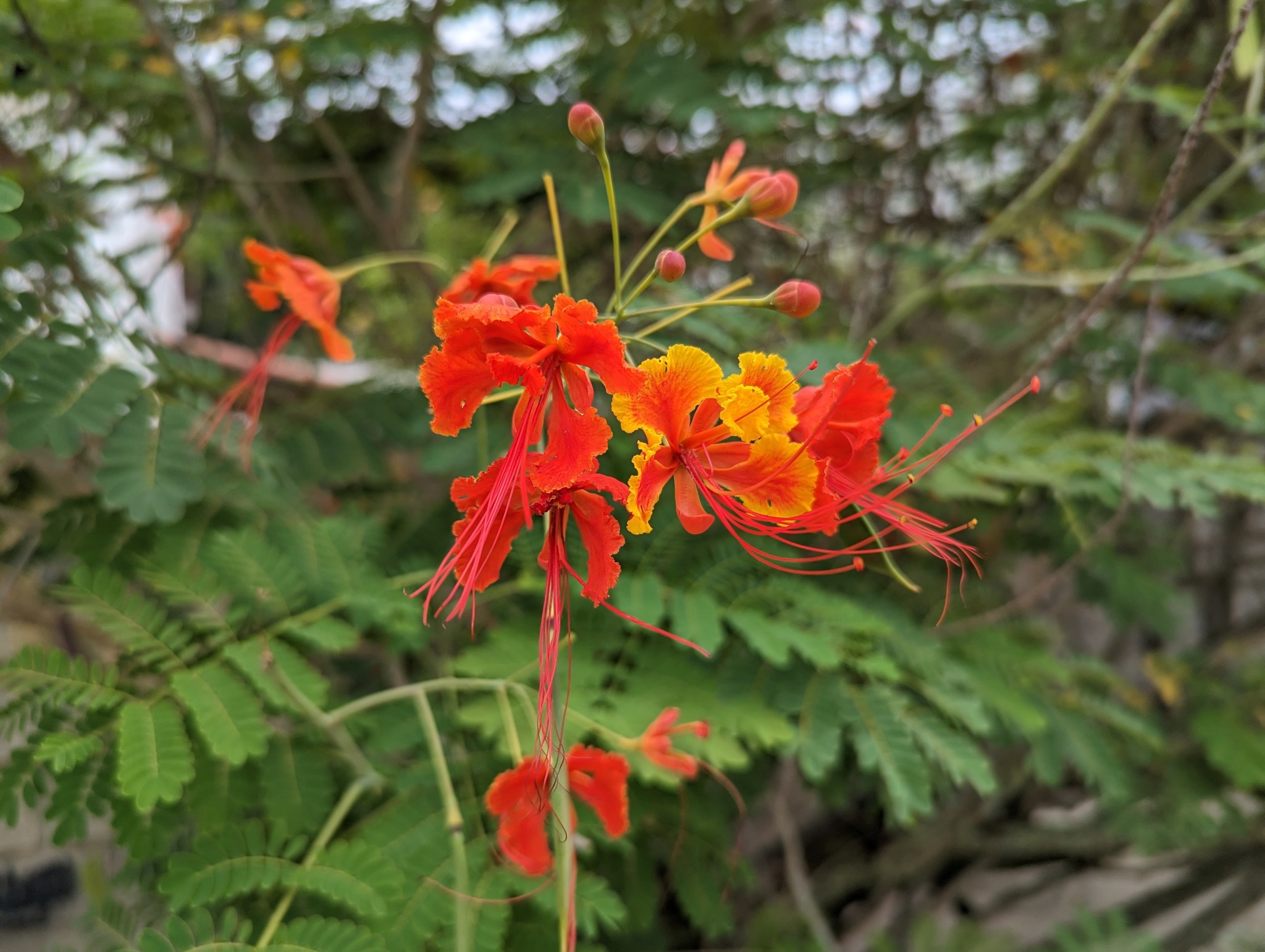
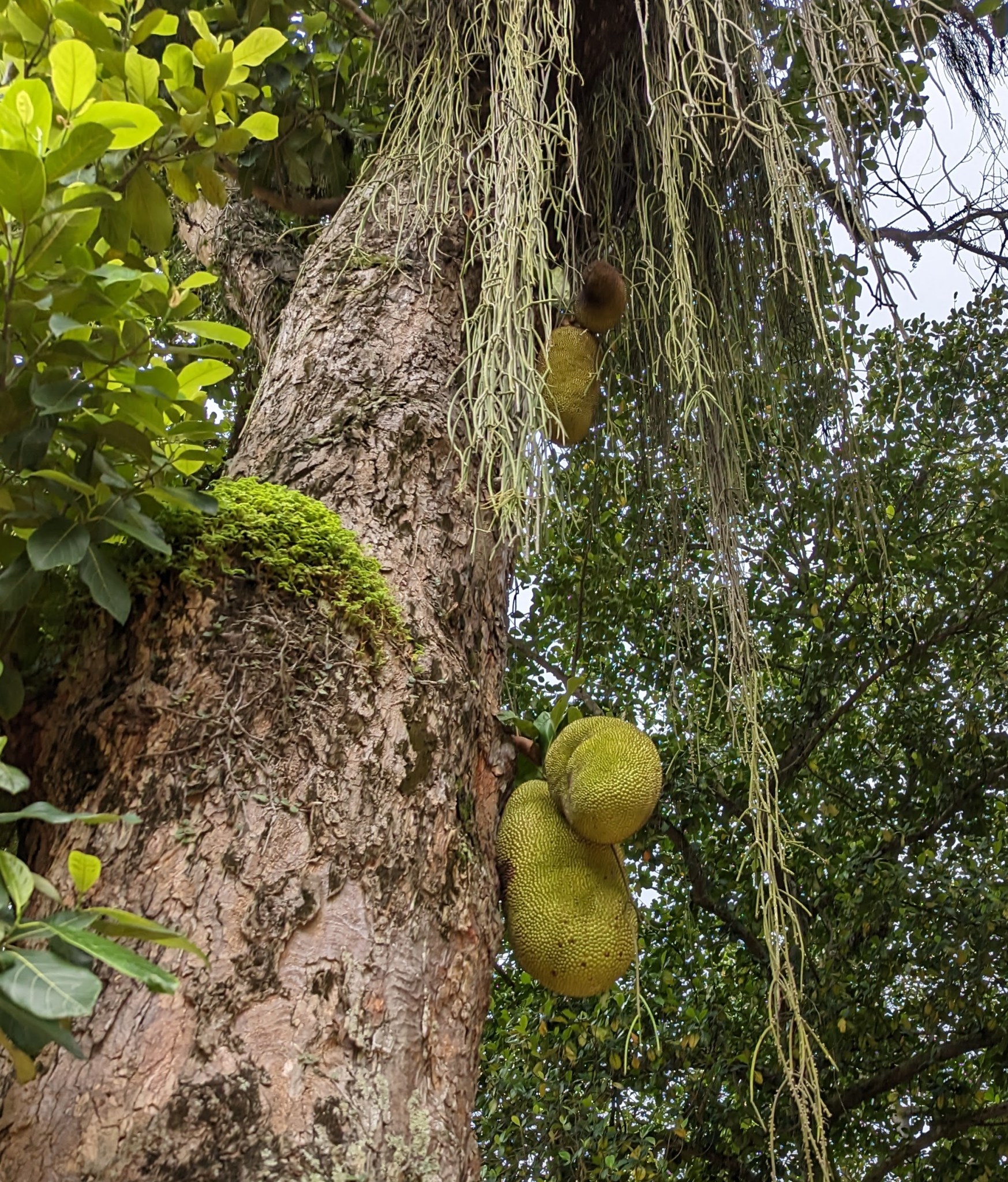
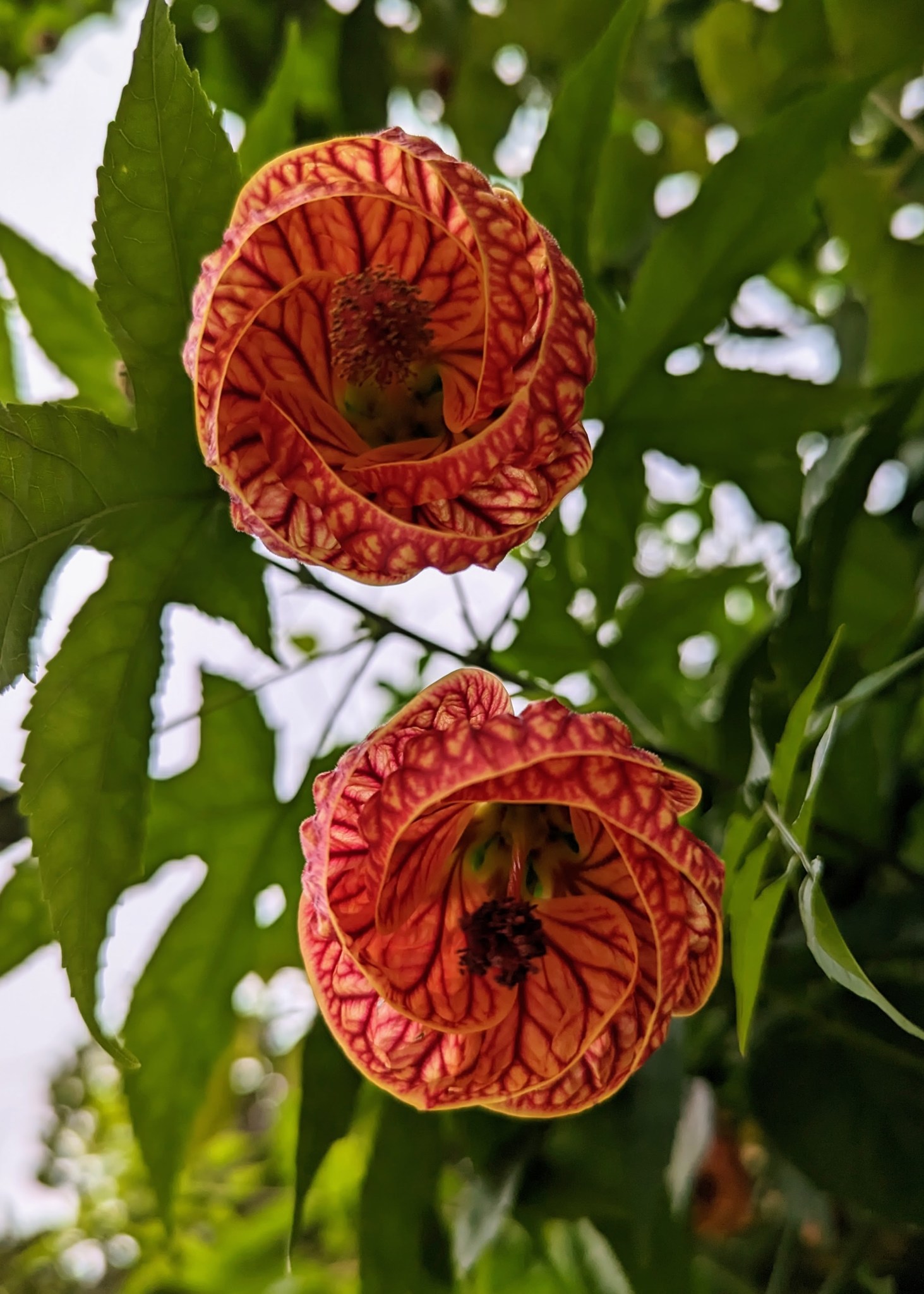
A few pics from day two on Paqueta.



Getting pretty good at spontaneity
I was wandering along the water here in Rio this morning and ended up walking past a small ferry terminal. I stopped and checked the map and saw that the ferries are part of the transit system, covered by the same transit pass I got for the subway. There are four ferry routes, three of which go to other parts of the city and one that just says “Paqueta”.
I had no idea what Paqueta is or means so I checked my phone and found it’s an island, an hour’s ferry ride away, and the ferry ride costs $2, DONE!
I scanned my metro card, entered a tiny waiting area and started looking for the ferry schedule. Turns out the ferry mostly just sails when it’s full enough, most of the time. Ah, South American scheduling and time.
After half an hour or so a small ferry pulled up, about 20 people got off and I got on along with the 6-7 other people who had been waiting with me.
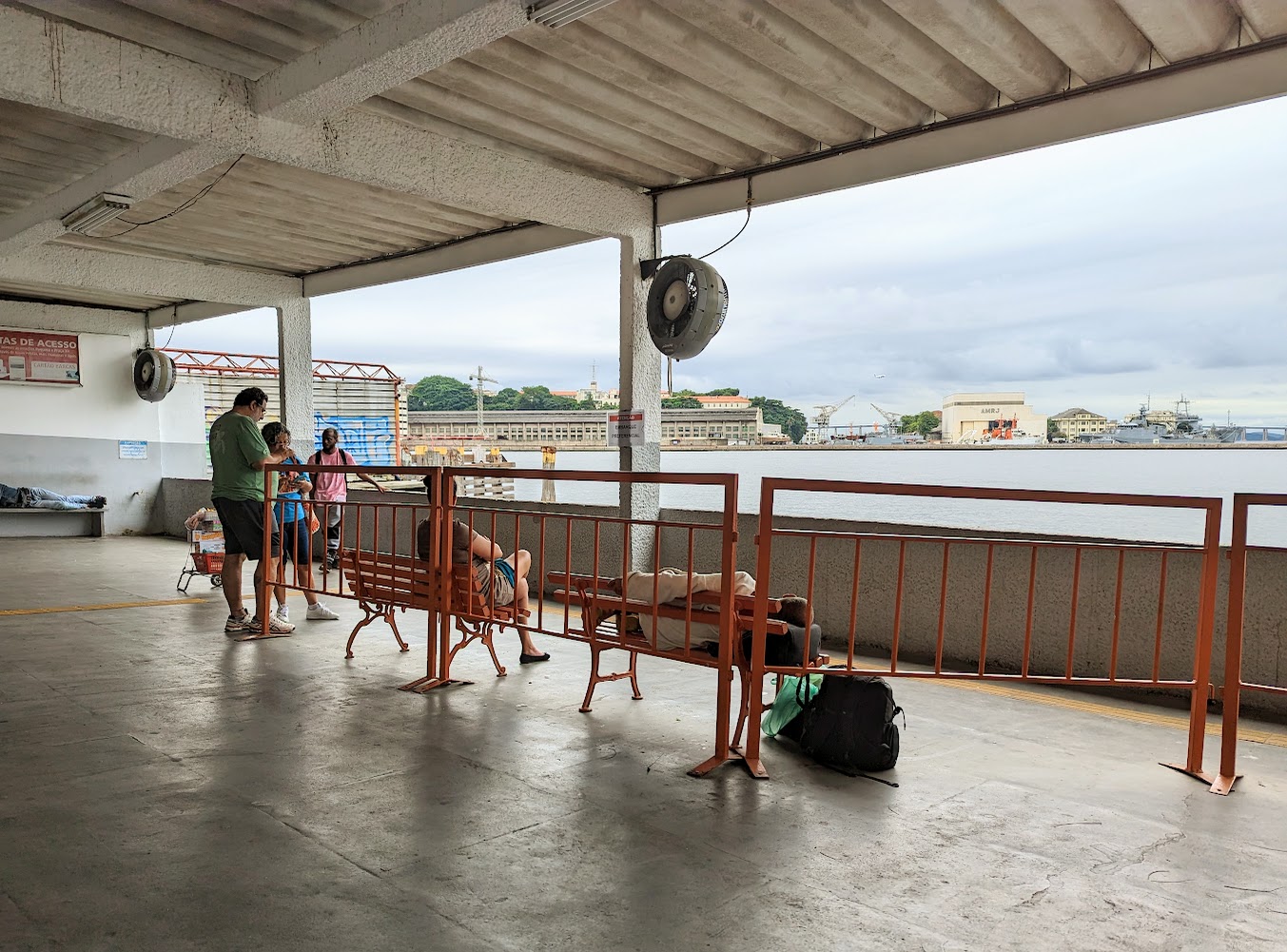
The little ferry sailed past amazing sights, under giant bridges, past romantic islands… and I got zero pictures of any of it, because the windows on the boat were completely covered in gunk.
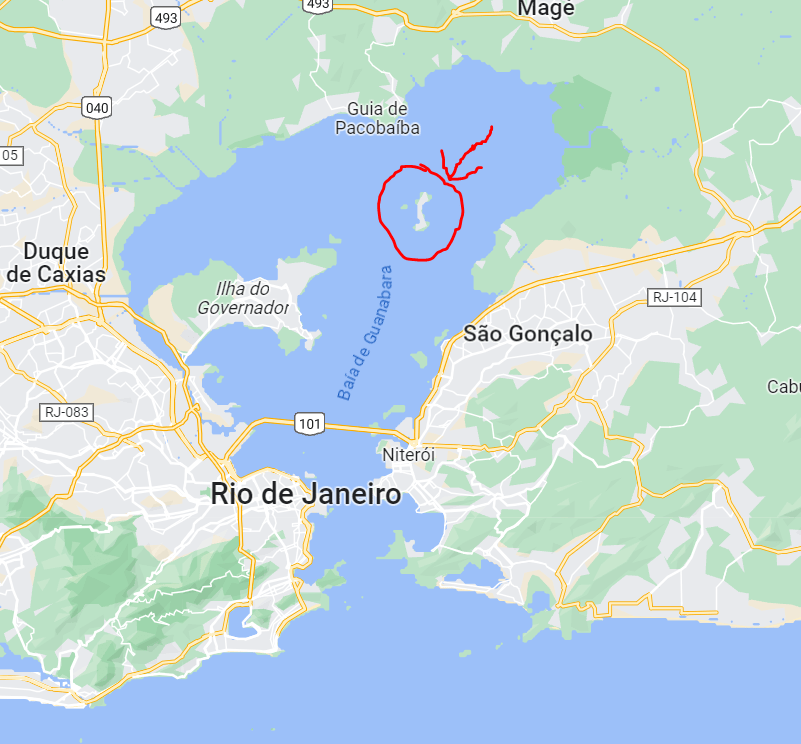
After almost exactly an hour we pulled up to a dock, unloaded and I got my first view of this island.

While sailing to Paqueta I did some reading on the history of the island. Technically the island is part of the city of Rio, despite being an hour away. It was mostly a hunting ground for the local Guarani people until first discovered in the early 1500’s by French explorers who claimed it for France.
The tiny island became a getaway for French upper crusty types until Portugal decided there should be no more French in South America and the island became one of the main bases of operation for French forces attempting to avoid getting pushed out of Brazil. It didn’t work and the island became a Portuguese territory from then on.

I arrived on the island with no idea what was there, what to expect, but it was early morning and I needed coffee. According to Google there is one coffee shop on the island “Coffee Drink” so I headed there first. The woman working at Coffee Drink seemed very surprised at my request to drink coffee and informed me she was out of coffee.
I walked the block and a half of Paqueta’s downtown, there’s a hardware store, a clothing and mattress shop, a couple bars and restaurants and a small market, I grabbed some water and guarana juice in place of coffee and headed to the beach.

The entire island is less than one square mile, I wandered the beach encircling the island and ended up back at these swans about 3 hours later.
The island is home to about 2,000 people and has some homes that date back to the 1700s, the newer homes are also often really unique.
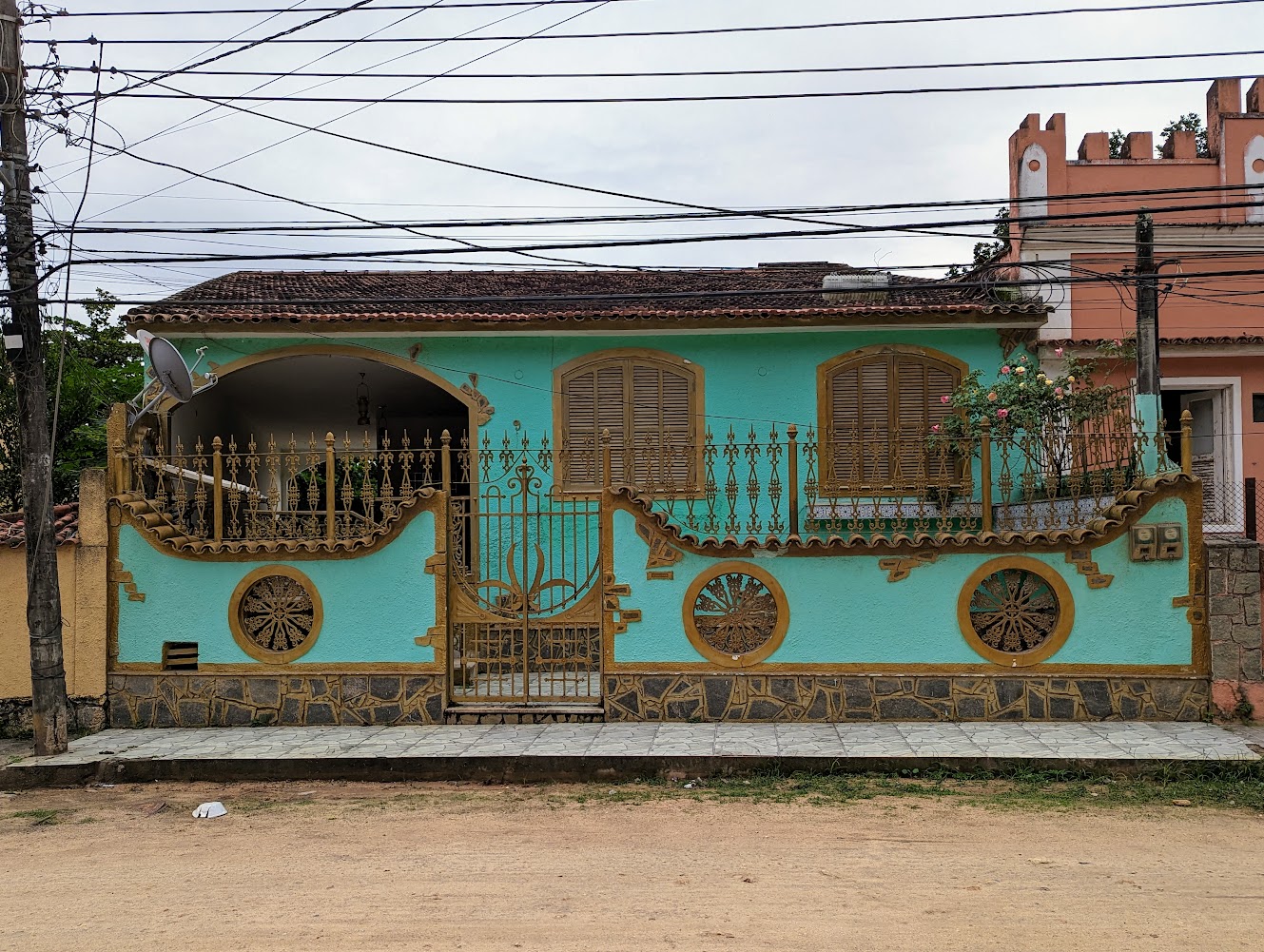
I forgot to take pics but eventually I found a cafe and had a lunch of lemonade (made with limes, of course, because South America) and prawn pastels (empanadas, sorry Brazilians, but your precious pastels are really just empanadas).
Because it’s almost winter here and with how wet and grey it’s been I had endless beaches to myself for the most part, luckily the weather was dry and actually occasionally a bit of blue sky showed for the first time since I got to Rio.
I was really enjoying the island and decided to look for a place to stay for the night, despite my new affection for spontaneity meaning I have nothing with me, no phone charger, no change of clothes, nothing.
I walked back to the market near the dock and bought a toothbrush and toothpaste and, with Google Translate’s help, started asking about a place to stay. I was directed to a house about 15 minutes walk up the road.
At the home stay I met the very interesting owner, Marcelo, who was born on the island and rarely leaves. He spoke some English and gave me an attic bedroom and some advice for things to see on the island. I like it here.
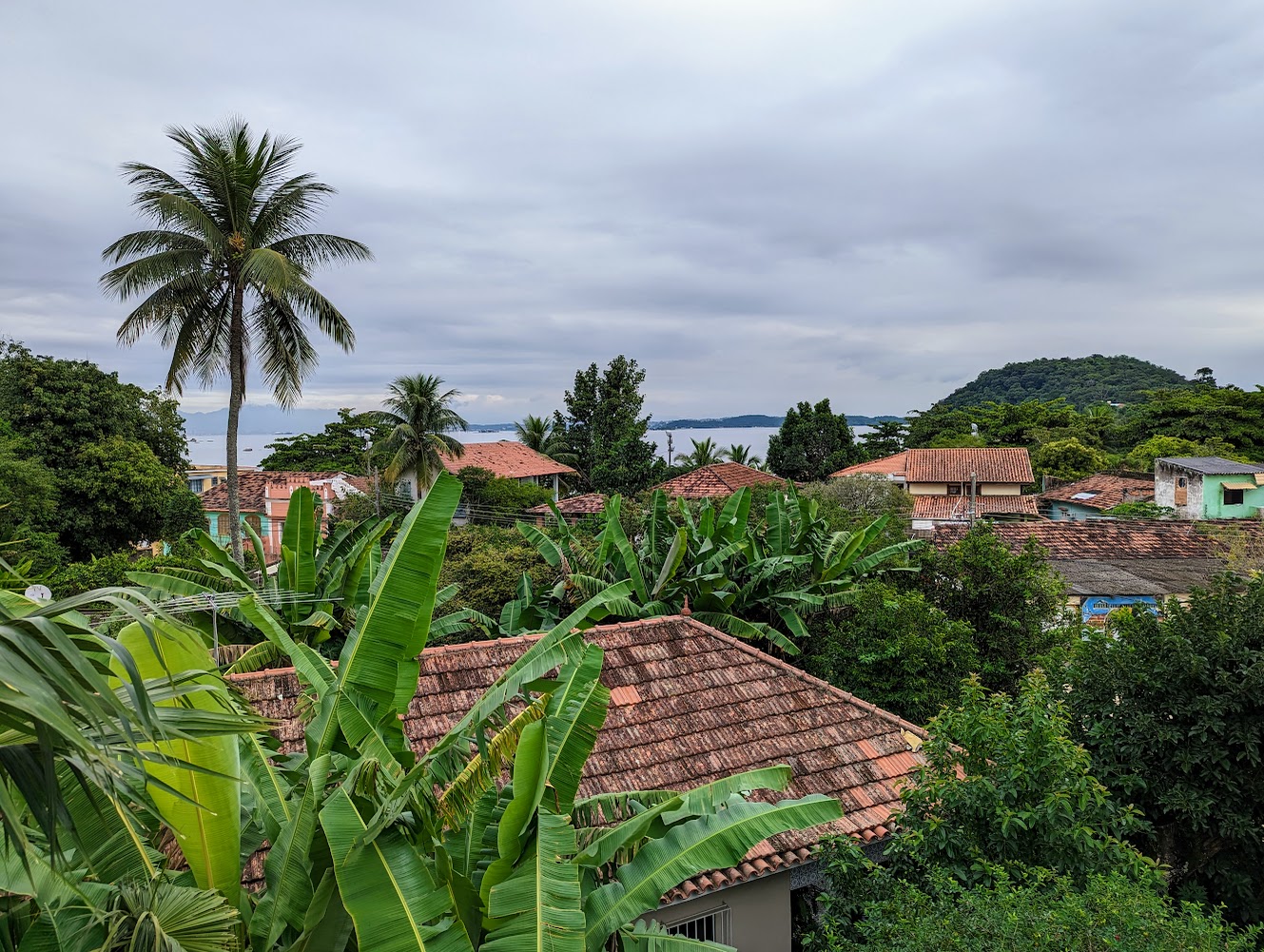
And now for something not even remotely different
If you travel in South America you will end up eating milanesa, a lot. A piece of cheap steak or veal, or occasionally chicken, pounded as thin as possible, breaded and deep fried. Whether or not you LIKE milanesa doesn’t matter, you will eat it, it is everywhere, the majority of restaurant menus are built around it.
Do I like milanesa? Uh, it’s fine. It’s simple, cheap and fast but most of the time I find it’s pretty bland.
I wanted to try milanesa in Brazil though, just for the sake of completeness and comparison. So I went a great old cafe here in Rio today and ordered the standard milanesa.

Lunch was great, the cafe was great too.
When it was time for dinner tonight I wanted ANYTHING other than more milanesa. I found a German place near me and ordered sauerbraten and spätzle, for a change, the waiter left and came back, letting me know they were all out (it was 7pm, they opened at 6:00pm and I was one of 3 tables, but sure). I ordered the goulash instead, solid second choice, the waiter left and came back, guess they had a real run on the goulash too. I asked the waiter what German dishes they actually had available, he insisted I would love the schnitzel with spätzle, ok fine, I ordered it.
About ten minutes later he brought my meal, set it down and explained they were all out of spätzle, yup.
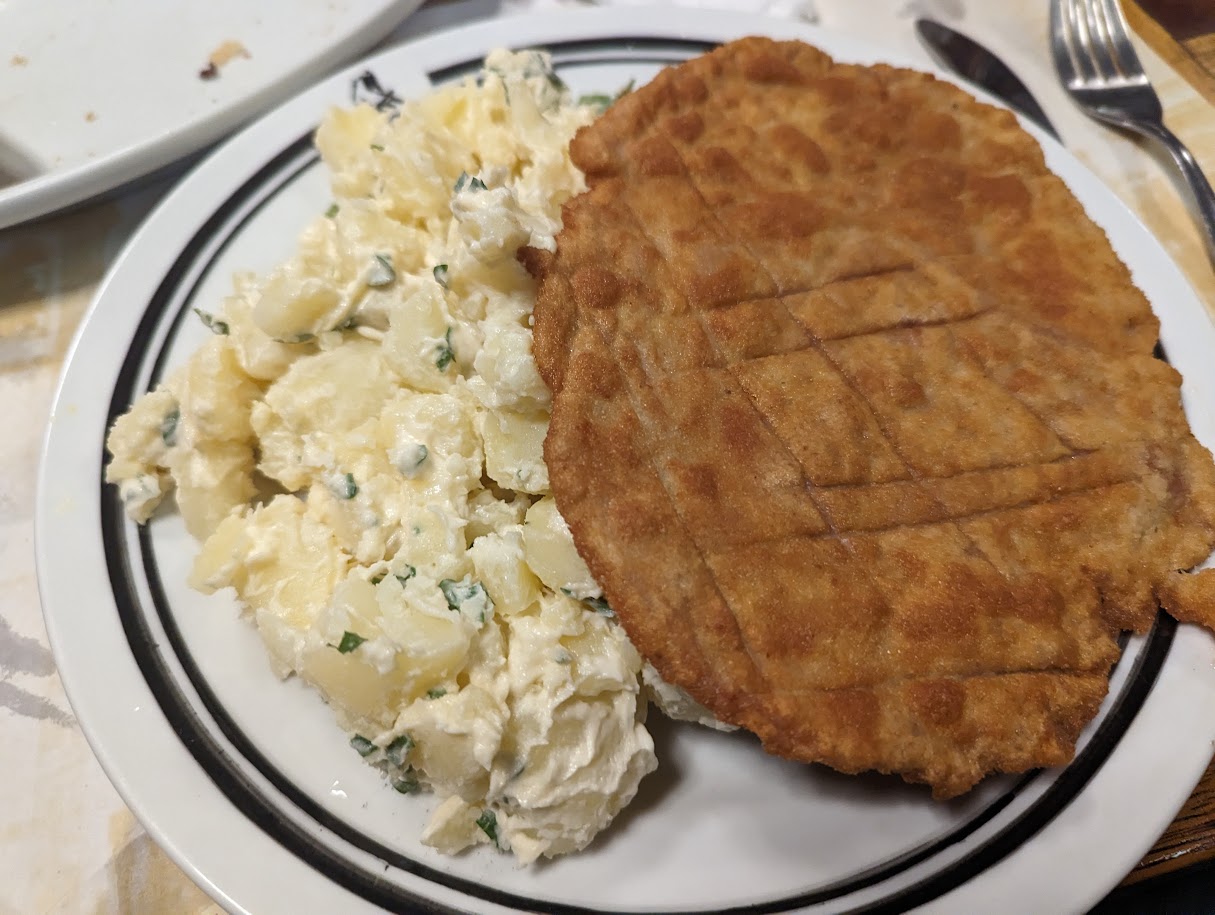
You WILL have milanesa, resistance is futile.
 A Bit Gone